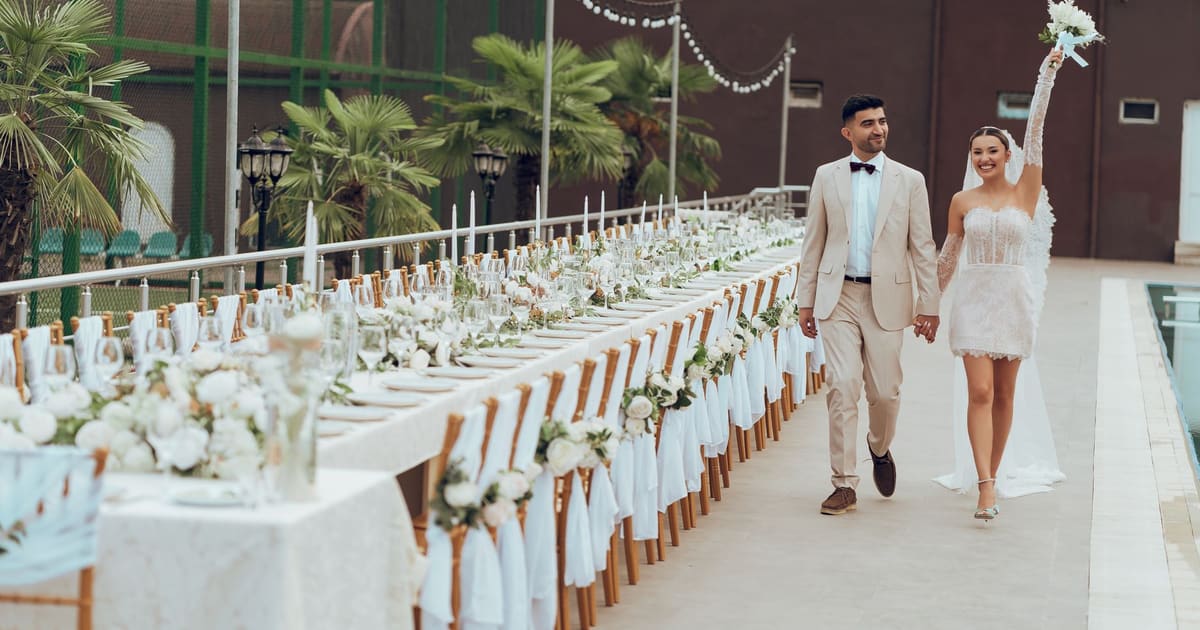
Wedding photography styles sit at the intersection of shooting technique and editing aesthetic -- and most photographers blend multiple approaches rather than committing to one exclusively. Understanding what each style produces helps you evaluate portfolios more accurately and ask better questions during consultations, which leads to fewer surprises when you see your final images.
The five most commonly described wedding photography styles are traditional, photojournalistic, fine art, editorial, and film. In practice, most photographers describe themselves as some combination of these. Knowing what each term actually means gives you the vocabulary to have a real conversation.
What are the main wedding photography styles?
Traditional (also called classic or formal): Centers on posed, directed portraits of the couple, family groups, and wedding party. Every key grouping is documented deliberately. The result is a comprehensive record of who was there and how they looked. Traditional photography prioritizes completeness and clarity over mood. It tends to age well because it is not tied to editing trends.
Photojournalistic (also called documentary or candid): The photographer works as an observer rather than a director, capturing moments as they unfold. The priority is emotional authenticity -- reactions, movement, in-between moments. Most photojournalistic photographers still shoot family formals because couples need them, but they minimize directed work outside of those structured sessions.
Fine art: Fine art photography is about the photographer's visual perspective. Composition, light, and color are treated with the same attention a fine art portrait photographer would apply. The result is a more stylized, aesthetically cohesive album. Fine art photographers often have a very specific visual signature -- a particular color palette, a way of using light -- that runs throughout their work.
Editorial: Draws from fashion and magazine photography. The photographer directs the couple into stylized, intentional poses rather than asking them to simply stand together. Results in polished, visually striking images that look like they belong in a publication. Works best when both partners are comfortable being directed and the venue supports high-contrast, structured compositions.
Film-inspired (or film): Refers primarily to an editing style that mimics the aesthetic of film photography -- grain, muted highlights, particular color shifts. Some photographers actually shoot on film; many more simulate the look digitally. Film-inspired editing is an aesthetic preference, not a shooting technique. It can be applied to any of the above styles.
What is the difference between traditional and documentary photography?
The distinction is primarily about who is directing the shot. In traditional photography, the photographer tells you where to stand, how to look, and how to hold your hands. In documentary photography, the photographer is watching and waiting for a moment that already exists.
The practical difference in your wedding experience is significant. A traditional-leaning photographer will spend more time orchestrating your portraits and family sessions. You will get more polished, deliberate images of specific people. A documentary-leaning photographer requires less of your time but produces fewer guaranteed images of specific groupings.
Neither approach is correct. The question is which type of image you value more -- and whether you are comfortable being directed.
What do fine art and editorial photography actually mean?
These two terms are used somewhat loosely in wedding photography marketing, but they do have distinct meanings.
Fine art photography is about the photographer's perspective and compositional choices. A fine art photographer treats each frame as a visual artwork -- considering light, negative space, and subject placement deliberately. Fine art work is often more muted, more stylized, and more concerned with mood than with documenting events literally. It can work in any style along the candid-to-directed spectrum.
Editorial photography borrows from fashion and lifestyle magazine work. The photographer directs the couple into specific, composed poses that look intentional and stylized -- think of the images that appear in wedding magazines versus the images your aunt took with a point-and-shoot. Editorial work requires more active direction of the couple and typically produces fewer candid moments. It works best at venues with strong architectural or natural features that support structured compositions.
In practice, many photographers use both terms somewhat interchangeably to signal that their work is visually elevated above standard documentation. When you see either term in a photographer's bio, ask to see complete galleries -- not just the best 20 selected images -- to understand what their typical wedding album actually looks like.
How do you evaluate a portfolio for style consistency?
Looking at a photographer's curated portfolio tells you their best work under ideal conditions. It does not necessarily tell you what your wedding photos will look like. A few practices help you evaluate more accurately.
Ask for a complete gallery from one wedding. A full gallery of 400 to 700 images shows you how a photographer handles the less photogenic moments -- cocktail hour mingling, the great-aunt who does not like having her picture taken, the hotel hallway between ceremony and reception. Best-of portfolios hide the connective tissue. Full galleries reveal it.
Look for consistency in the editing style. If 80 percent of a portfolio uses one color palette and 20 percent looks like it was shot by a different person, ask about it. Photographers sometimes post edited client work that does not reflect their standard processing.
Match their work to your venue type. A photographer who does extraordinary work in bright, airy ballrooms may struggle in a dark barn or a late-evening outdoor ceremony with no golden hour. Ask to see work specifically from venues similar to yours.
Watch for the between-moments. The images that reveal a photographer's real skill are not the first kiss or the first dance -- those are predictable. It is the moment before, or the reaction three seconds after. A strong photographer documents those moments without staging them.
How does photography style match to venue and wedding vibe?
Some general patterns hold, though individual photographer skill matters more than style matching in most cases.
Traditional and editorial styles tend to work well in formal venues -- ballrooms, estates, historic buildings -- where structured poses feel appropriate and the aesthetic supports them. Photojournalistic work thrives in less formal settings where people are moving, talking, and behaving naturally.
Fine art styles frequently benefit from outdoor natural light -- particularly golden hour -- and venues with visual texture or depth. Dark and moody editing does not work in every venue; it tends to flatten in bright outdoor settings and works best in venues with dramatic or low-key lighting.
Tip
Before your consultation, spend 20 minutes on each shortlisted photographer's Instagram or blog and save 5 to 10 images that represent what you most want from your wedding photos. Bring those to the consultation. It tells the photographer exactly what you value and helps them tell you honestly whether they can deliver it.
What to ask about style during the consultation
Once you have a shortlist, these questions reveal more than any portfolio.
- Can you walk me through a full gallery from a wedding at a venue similar to ours?
- How much of a typical wedding day do you spend on directed portraits versus just watching and shooting?
- What is your standard family formal process, and how long does it typically take?
- Do you have a backup plan if natural light fails or weather changes?
- How would you describe your editing style, and how consistent is it across different lighting conditions?
- What does your culling process look like -- how do you decide which images to deliver?
The answers matter less than whether the photographer can answer them specifically. Vague answers about "capturing genuine moments" without concrete process details often signal less experience or less intentionality than you want.
For a full breakdown of what wedding photography costs at different tiers, see Wedding Photographer Cost: 2026 Pricing Guide. For the complete list of questions to bring to a consultation, see Questions to Ask a Wedding Photographer Before Booking.
Why couples regret their photography style choice
The most common photography regret pattern reported by couples is not the style itself -- it is a mismatch between what the portfolio showed and what they expected it to mean.
Couples who prioritize candid work and hire a photojournalist sometimes receive fewer family formal images than they wanted. Their relatives ask where the photos of specific groupings are. The couple did not ask how many family formals the photographer typically includes.
Couples who hire a traditional photographer sometimes receive beautiful posed portraits and almost no documentation of the cocktail hour, the flower girl wandering off, the best man's face during the toast. They had assumed "wedding photographer" meant both.
The fix is straightforward: during the consultation, be explicit about the images you cannot live without. If you need documentation of specific people together, say so. If you want the focus on candid moments over posed portraits, say that. A good photographer will tell you honestly whether that matches their approach -- and if there is a mismatch, you have learned something useful before you signed a contract.
For how photography fits into your overall wedding day logistics, see How to Build a Wedding Day Timeline. For couples considering video alongside photography, see Wedding Videographer Cost: 2026 Pricing Guide.
Key takeaway
The main wedding photography styles -- traditional, photojournalistic, fine art, and editorial -- differ primarily in how much the photographer directs versus observes. Most experienced photographers blend styles. The most reliable way to evaluate a match is to ask for a complete gallery from a single wedding at a comparable venue, not just a curated best-of portfolio. Be explicit during the consultation about the images you cannot live without.
Frequently asked questions
What does photojournalistic wedding photography mean?
Photojournalistic wedding photography prioritizes candid, unposed moments captured as they happen -- laughter during vows, a grandmother wiping her eye, the first look reaction. The photographer works like a documentarian: present but not directing. Most photojournalistic photographers still shoot a small set of family formals, but the goal is a story-driven album over a posed one.
Is candid photography better than posed photography?
Neither is objectively better -- they serve different priorities. Candid photography captures emotional authenticity and real moments. Posed photography captures relationships clearly and ensures specific people are documented together. Most modern wedding photographers blend both approaches. The question to ask is: when you look at wedding photos 20 years from now, which type of image will matter more to you?
How many posed shots should I expect at my wedding?
A typical posed-photography session at a wedding includes 15 to 30 family formal combinations and 20 to 40 couple portraits during the golden hour or designated portrait window. Total time varies by photographer and guest list size, but plan for 45 to 90 minutes of directed portrait time across the day. Your photographer should provide a shot list for family formals in advance.
Can a photographer do both candid and traditional styles?
Yes, and most experienced wedding photographers do both as a matter of course. The blend varies by photographer and by the style they describe as primary. A photographer who leads with 'photojournalistic' will still shoot your family formals; one who leads with 'traditional' will still capture unposed moments. Ask to see a complete gallery from one full wedding to understand the actual proportion of candid versus directed work.
What is the dark and moody photography style?
Dark and moody is an editing aesthetic defined by underexposure, desaturated shadows, cool or muted tones, and a film-like quality. It is a post-processing direction more than a shooting style -- a photographer can shoot any style and edit darkly. It works best in venues with dramatic lighting or deep shadows and can look flat in bright outdoor settings. Ask to see edited work from a venue similar to yours before committing.