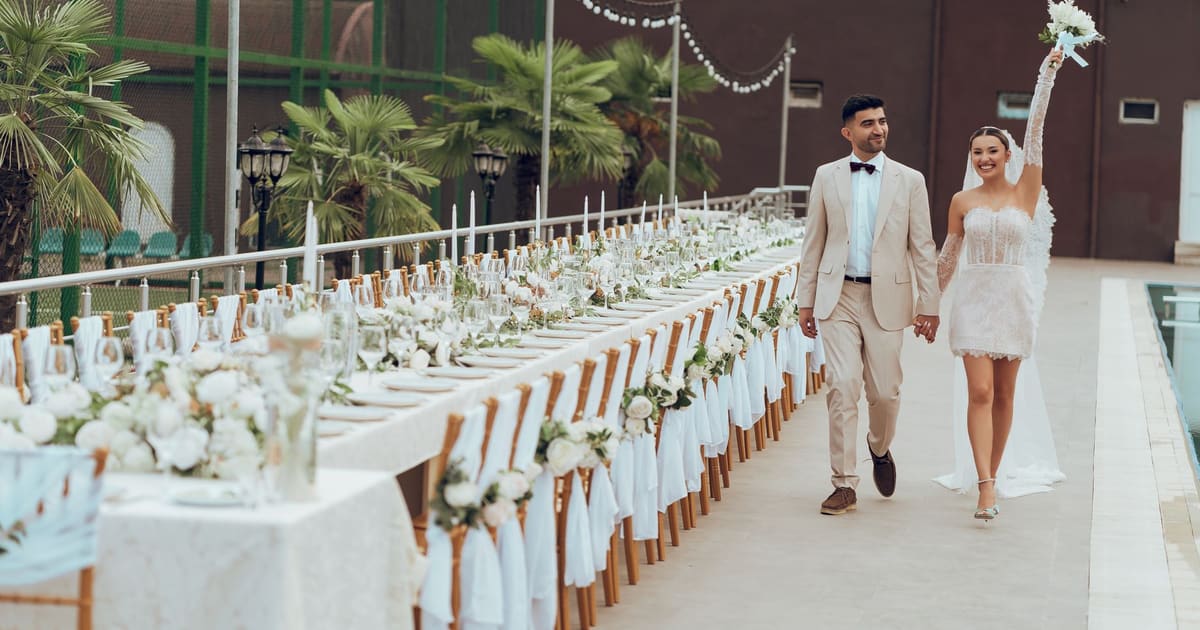
Most couples start planning without either a planner or a coordinator, then realize 6 months in that they needed one from the beginning - or they hire one too late to get the most out of the relationship. The decision is less about cost and more about what you are actually buying: planner manages the entire process, coordinator manages the event itself. The gap between those two roles is significant.
What does a wedding planner actually do?
A full-service wedding planner takes on the planning process from the beginning. They help with venue selection, vendor sourcing, contract review, budget management, design direction, and day-of logistics. The typical engagement is 12 to 18 months and involves 100 to 200 hours of a planner's time across the engagement.
The value of a full-service planner is in the process management: someone who has done this many times knows which vendors are reliable, which venue contracts have unfavorable clauses, which timelines need buffer, and how to handle the inevitable problems that arise during planning. You are buying experienced judgment and time savings at every stage.
What a full-service planner does not provide: decision-making authority (you still make all the final calls) or a cheaper wedding (a planner does not reduce what vendors charge, though they may have negotiated rates). The planner manages the process; the decisions and budget are still yours.
Full-service planner fees typically range from $5,000 to $12,000 nationally, according to industry survey data from The Knot and WeddingWire. In high-cost markets like New York and San Francisco, fees of $15,000 to $25,000 or more are common for experienced planners with strong vendor networks.
What does a day-of coordinator handle?
A day-of coordinator - more accurately a month-of coordinator - takes over logistics in the final 4 to 8 weeks before the wedding and runs the event itself. Their job is execution, not planning.
In the pre-event period, they collect vendor contacts, confirm all bookings, review timelines, create a detailed day-of schedule, and communicate that schedule to every vendor. On the wedding day, they run the show: directing the setup, receiving deliveries, managing the processional, running the reception timeline, handling vendor issues, and making sure the event ends cleanly.
What a day-of coordinator does not do: help you choose vendors, review contracts you have already signed, or advise on design decisions. By the time you hire them, the planning is done - they are there to make sure it all actually happens.
Day-of coordinator fees range from $700 to $2,300 nationally. The variation reflects experience level and market. Coordinators with 5+ years of experience in major metro areas command the higher end of that range.
How much does each option cost?
| Option | Typical Fee Range | Hours of Work | Best Suited For |
|---|---|---|---|
| Full-service planner | $5,000 - $12,000+ | 100-200 hours over 12-18 months | Couples who want end-to-end process management |
| Partial-service planner | $2,500 - $5,000 | 50-80 hours, typically after venue booked | Couples who want guidance and design input only |
| Day-of / month-of coordinator | $700 - $2,300 | 20-40 hours (4-6 weeks out + event day) | Couples who have planned most of the wedding themselves |
| No professional help | $0 | Your time + a designated family member's day | Intimate weddings with simple logistics |
The partial-service or "design and day-of" model is popular with couples who are capable planners themselves but want expert input on design decisions and a professional running the event. It typically costs $2,500 to $5,000 and involves the planner during the final 3 to 6 months.
Which option fits which type of couple?
Full-service planning makes sense if: you have a large, complex wedding (150+ guests, multiple venues, elaborate design), you are planning from a distance and cannot attend vendor meetings in person, you do not have time to manage a multi-vendor planning process, or you feel genuinely overwhelmed by the scope of the decisions.
Day-of coordination makes sense if: you are a capable project manager who has handled the planning yourself, you have a relatively simple vendor structure (venue, caterer, photographer, DJ, officiant), and you primarily want someone to run the event so you do not have to.
No professional help makes sense if: your wedding is small and intimate (under 40 guests), your venue provides meaningful event support, and your vendor count is low enough that a family member or friend can realistically manage the day without it impacting their enjoyment.
The mistake most couples make is underestimating what "running the day" actually requires. Receiving 8 vendors, managing the setup sequence, tracking the timeline, handling the DJ's question about the processional song, calling the florist when the centerpieces are wrong - someone has to do all of this. If it is not a coordinator, it is your maid of honor, your mother, or you. Planning for that redistribution honestly is the key decision.
Questions to ask before hiring either
These questions apply whether you are evaluating a full-service planner or a coordinator.
- How many weddings do you manage or coordinate per year, and how many are on the same day as mine?
- Who is my main contact throughout the process, and who will be physically present on the wedding day?
- What does your contract specify about the scope of work - what is included and what is not?
- What is your process for handling a vendor who is late, missing, or performing poorly on the day?
- Can you provide references from two or three recent clients whose weddings resembled mine in scale and complexity?
- What happens if you are sick or unable to perform on the wedding day - do you have a backup?
The backup question is critical for both planners and coordinators. A solo operator with no backup plan is a single point of failure. A team-based company with an established substitution policy is more reliable.
What happens if you hire neither?
Some couples do it successfully. Smaller weddings with simple logistics - a ceremony and dinner for 60 people with three vendors and a helpful venue coordinator - can come off cleanly without professional event management.
Larger weddings without a coordinator typically involve a designated friend or family member taking on a coordinator's responsibilities. The hidden cost: that person cannot fully be a guest at your wedding. They are working. If you are comfortable with that arrangement and the person you are asking genuinely wants the job, it can work. If you are assigning it to someone out of cost concern and they would rather be dancing, you will feel that trade-off.
How to evaluate coordinator vs. planner quotes
A fair comparison requires you to define scope first. A $1,200 coordinator quote and a $1,800 coordinator quote are not comparable if one includes 8 weeks of pre-event work and the other starts 2 weeks out. Ask each candidate to describe their specific scope in writing.
For planners, ask for a written scope of work that specifies: what categories they manage (vendor selection, design, logistics, timeline), how many meetings are included, whether they or an associate attends the event, and whether contract review is included.
For the day-of timeline to make sense in full, see Wedding Day Timeline Guide and Wedding Planning Checklist.
Tip
Before dismissing the idea of professional help for budget reasons, calculate what a coordinator costs as a percentage of your total wedding budget. At a $20,000 wedding, a $1,200 coordinator is 6% of total spend for the person responsible for making everything run on the day. At a $30,000 wedding, it is 4%. Put differently: the DJ costs more and the DJ is not managing your timeline.
Key takeaway
A full-service planner charges $5,000 to $12,000 and manages the entire planning process from vendor selection through event day. A day-of coordinator charges $700 to $2,300 and executes the logistics once planning is complete. The right choice depends on how much process help you need and what you are willing to manage yourself. The venue coordinator is not a substitute for either - they represent the venue's interests, not yours.
Frequently asked questions
Is a day-of coordinator worth the cost?
For most couples, yes. A day-of coordinator manages the vendor timeline, receives deliveries, handles setup details, and troubleshoots problems so you and your family do not have to. The alternative is assigning those tasks to a family member or friend who is supposed to be a guest. At $700 to $2,300, a competent coordinator costs less than almost any other vendor on your list - and the value on the day itself is high.
Can a venue coordinator replace a wedding planner?
A venue coordinator manages the venue's interests - their setup, their staff, their timeline for opening and closing. They are not there to manage your vendors, run your rehearsal, or coordinate your wedding party. Couples who rely on the venue coordinator as their only event management often find themselves without a point of contact when problems involve outside vendors. The venue coordinator is a venue resource, not your advocate.
What is the difference between a venue coordinator and an independent coordinator?
A venue coordinator is employed by the venue and represents the venue's operational needs. An independent coordinator is hired by you and works exclusively in your interest. On the wedding day, if your florist is late and the venue coordinator is managing setup in the reception hall, you need someone whose job is to call the florist - that is your independent coordinator. The two roles are complementary, not interchangeable.
How many hours does a day-of coordinator typically work?
Despite the 'day-of' label, most professional coordinators begin their work 4 to 6 weeks before the wedding, collecting vendor contacts, reviewing timelines, and confirming logistics. On the wedding day itself they typically work 10 to 14 hours. Some coordinators prefer the term 'month-of coordinator' to more accurately reflect the preparation work involved. Clarify the scope of pre-event work when you collect quotes.
Should you hire a planner before booking a venue?
If you are hiring a full-service planner, yes - hire them before booking a venue. A planner will have relationships with venues, know which ones match your style and budget, and may be able to negotiate terms. Hiring a planner after you have already locked in a venue and most vendors reduces the value of full-service planning considerably. If you are hiring a day-of coordinator only, venue selection timing is less critical.
Can a wedding planner save you money over going solo?
Sometimes, and it depends on the planner and your market. Full-service planners often have negotiated rates with preferred vendors and can sometimes pass savings through to the couple. Their knowledge of what things should cost also helps you avoid overpaying in vendor negotiations. Whether the savings offset the planner's fee varies - in high-cost markets with strong vendor networks, a planner's connections may genuinely reduce your total spend.