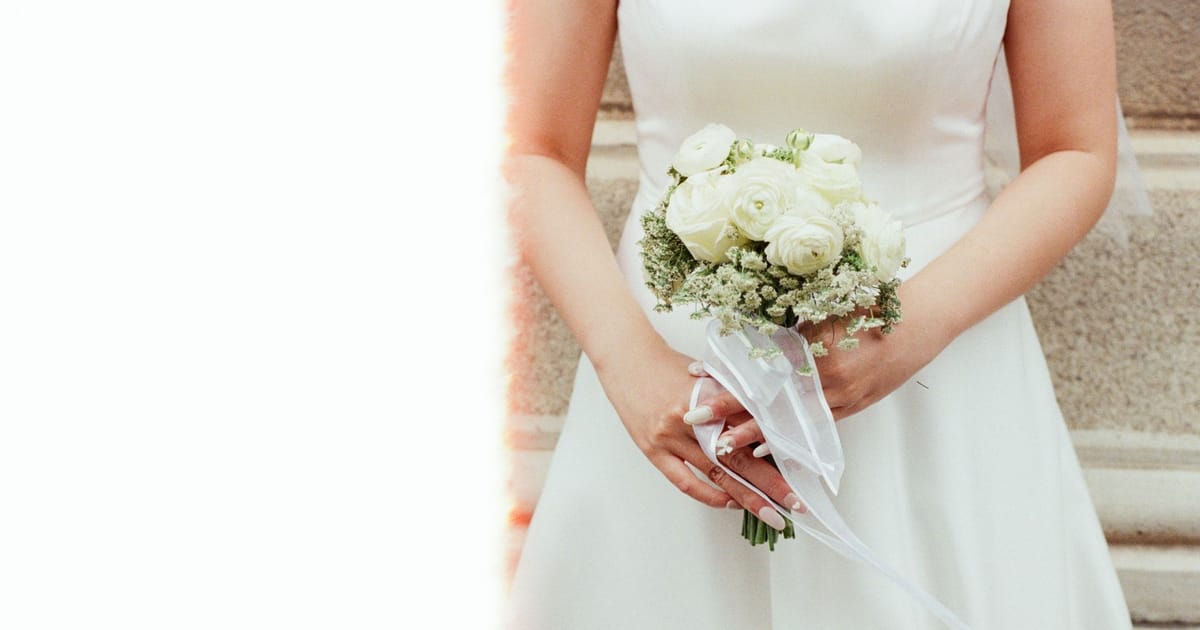
Wedding flowers typically cost $1,500 to $3,000 for a mid-size wedding in the United States, according to The Knot Real Weddings Study, but totals ranging from $800 to $8,000 or more are entirely common depending on guest count, flower variety, and how many distinct arrangements you order. The number on a florist quote is not arbitrary -- it is driven by labor, perishable material costs, delivery logistics, and setup time that most couples do not see.
Why Florist Quotes Vary So Much
Before you compare three florist quotes and wonder why they are $2,000 apart, it helps to understand what you are actually paying for.
A florist is not selling you flowers. A florist is selling you design expertise, sourcing relationships with wholesale markets, refrigerated storage, conditioning time (flowers are cut days before your wedding and need careful hydration), day-of setup labor, and breakdown and removal after the event. The flowers themselves often represent only 30 to 40 percent of the final invoice.
Labor is where most of the variance lives. A solo florist running a lean operation may charge less than a studio with a full team, delivery vehicles, and insurance. Neither is necessarily better or worse -- they serve different logistics. What matters is whether the florist can reliably execute your vision at your guest count on your date.
Geography shapes pricing just as much as design choices. Florists in New York City, Los Angeles, and San Francisco operate with higher overhead, higher minimum orders from wholesalers, and clientele who expect a different level of service. The same centerpiece that costs $120 in Columbus, Ohio may cost $200 or more in Manhattan.
Tip
When you receive a florist quote, ask for a line-item breakdown: stems, labor, delivery, setup, and breakdown listed separately. A florist who will not itemize is harder to work with when you need to adjust scope to hit a budget number.
Average Wedding Flower Costs by Arrangement Type
The table below reflects typical price ranges drawn from The Knot Real Weddings Study and WeddingWire Newlywed Report data. These are mid-market ranges for the United States. Luxury markets and premium flower varieties will run higher. Simple, greenery-forward designs with in-season blooms will run lower.
| Arrangement Type | Typical Cost Range | Key Cost Drivers |
|---|---|---|
| Bridal bouquet | $150 - $450 | Flower variety, size, complexity of design |
| Bridesmaid bouquets (each) | $65 - $150 | Number of attendants, flower type |
| Boutonnieres (each) | $20 - $45 | Accent flowers, ribbon work |
| Low centerpiece (per table) | $75 - $175 | Vessel rental, stem count, flower season |
| Tall centerpiece (per table) | $175 - $350 | Structure, vessels, elevated mechanics |
| Ceremony arch or arbor | $400 - $1,500 | Size, floral density, installation complexity |
| Ceremony aisle decor (full) | $200 - $800 | Number of markers, pew cones vs. stand arrangements |
| Cocktail hour arrangements | $50 - $200 each | Table count, scale of design |
| Flower crown (each) | $75 - $200 | Flower variety, size |
| Cake florals | $50 - $250 | Stem count, prep and delivery coordination |
These numbers assume mid-range flowers -- think garden roses, lisianthus, ranunculus, eucalyptus -- sourced through wholesale markets. If your design relies heavily on peonies, garden roses in premium colors, protea, or tropical flowers, expect the per-arrangement cost to shift upward by 20 to 40 percent. If you are flexible on variety and open to your florist's recommendations for what is abundant and in-season on your date, you will get more for your money.
How the Full Budget Breaks Down
Here is what a realistic flower budget looks like for a 100-guest wedding at three different spending levels. Ranges are based on The Knot Real Weddings Study cost breakdowns and WeddingWire reported averages.
Budget range: $1,200 to $1,800 Bridal bouquet at $175, three bridesmaid bouquets at $70 each, four boutonnieres at $25 each, 10 low centerpieces at $85 each, a simple ceremony arch at $450, and no cocktail hour florals. Total lands around $1,650 with selective flower choices and minimal labor complexity.
Mid-range: $2,800 to $4,200 Bridal bouquet at $275, four bridesmaid bouquets at $100 each, six boutonnieres at $35 each, 10 low centerpieces at $120 each, three tall centerpieces at $250 each, a full ceremony arch at $750, aisle decor at $400, and cocktail hour arrangements at $150 each for four tables. Total sits around $3,600 with seasonal flowers and full-service delivery and setup.
Upper range: $5,500 to $9,000 Elaborate arch or ceremony installation at $1,200 to $2,000, a designer bridal bouquet at $400, full bridesmaid bouquets, a mix of tall and low centerpieces averaging $275 per table across 15 tables, cocktail hour coverage, and out-of-season or imported specialty flowers throughout. Labor alone at this level commonly runs $800 to $1,500.
Reception florals -- primarily centerpieces -- consistently consume the largest share of a floral budget. If your guest count is high or your venue requires a lot of tables, this is where the budget grows fastest. It is worth deciding early whether you want florals on every table or whether you are comfortable mixing full floral tables with non-floral alternatives.
Key takeaway
Reception centerpieces often account for 40 to 50 percent of your total floral spend. If you need to reduce costs, this is the category with the most flexibility -- not the bridal bouquet, which is comparatively inexpensive relative to its visual impact.
In-Season vs. Out-of-Season Flower Costs
The time of year you get married affects what your florist can source affordably -- and that affects your total cost more than most couples realize.
Peonies, for example, are in peak availability from April through June in the United States. Outside that window, they are imported, typically from Ecuador or the Netherlands, and can cost two to three times more per stem. Ordering peonies for a November wedding is possible. It is just expensive. WeddingWire cost tracking consistently shows out-of-season specialty flowers increasing per-arrangement costs by 20 to 40 percent.
Tulips, ranunculus, and anemones are spring flowers. Dahlias are late summer and fall. Sunflowers peak in late summer. Amaryllis is a winter staple. A florist who knows their local market can tell you what will be cheapest and most abundant on your wedding date. If you are flexible on specific flowers and trust your florist's sourcing instincts, that flexibility is worth real money.
The practical rule: tell your florist your budget first, then discuss flower preferences. A good florist will tell you what is realistic and what substitutions look just as good for less money. Insisting on out-of-season flowers without adjusting your budget is a setup for disappointment on both sides.
What Florists Charge for Labor -- and Why It Matters
Most couples focus on the flower varieties in a quote and gloss over the labor line. That is a mistake.
A centerpiece design might use $40 worth of wholesale flowers. But by the time a florist has sourced them, conditioned them over two days, designed and built the arrangement, transported it to your venue in refrigerated conditions, set it on the table, and returned after the reception to break it down, they have invested two to three hours of skilled labor per piece. At studio rates that range from $35 to $75 per labor hour in most markets, that adds up fast.
The Knot Real Weddings Study has noted consistently that labor and delivery together can represent 40 to 60 percent of a full-service florist invoice. This is not padding. It reflects the real cost of operating a perishable-goods business with event-day logistics.
When a florist quote looks expensive compared to what you see on social media, it is often because social media shows you the finished arrangement and not the twelve hours of work behind it.
Warning
Be cautious about florists who quote well below the market range and cannot explain why. Underpriced quotes sometimes reflect inexperience with event-day logistics, no delivery included, no setup labor included, or a plan to cut stem counts if costs run over. Ask exactly what is and is not covered before signing.
How to Build a Flower Budget That Holds
The most reliable way to control floral costs is to decide what matters most before you talk to a florist.
If the bridal bouquet is important to you, protect that line item and find flexibility elsewhere -- perhaps fewer bridesmaid bouquets, or a simpler ceremony installation. If the reception feel matters most, put money into centerpieces and use a simpler bouquet. If ceremony photos are your priority, a statement arch is worth the cost.
What does not work is telling a florist "we want it all to look full and lush" without a budget number. That conversation ends in a quote you did not expect.
Before your first florist consultation, do two things: decide your hard ceiling for flowers as a percentage of your overall budget, and make a list of three non-negotiable items. Everything else is negotiable. Read How to Build a Wedding Budget (Step-by-Step) to understand how floral spend typically compares to other vendor categories -- photography, catering, and venue almost always take larger shares.
If you are looking to reduce costs without eliminating florals entirely, DIY Wedding Ideas That Actually Save You Money covers what is realistically DIY-able in floral design (bud vases, ceremony programs, simple greenery runs) and what is not (large structural arrangements, ceremony arches, anything that requires refrigeration or day-of assembly).
For a sharper picture of how costs vary where you live, Average Wedding Cost by State (2026) gives you regional medians across all vendor categories. And if you are actively working to reduce your overall spend, How to Cut Wedding Costs Without Cutting What Matters covers the decisions that produce real savings versus the ones that just create stress.
Questions to Ask Before You Book
Once you have a realistic sense of what flowers cost and what your priorities are, your florist conversations will go faster. These are the questions worth asking.
Ask whether the quote includes delivery, setup, and breakdown or just the arrangements. Florists who do not itemize these separately may be bundling them in ways that make comparison difficult. Ask what happens if a specific flower is unavailable in the week before your wedding -- good florists have substitution protocols and will communicate proactively. Ask to see photos of real weddings they have done at your venue or a similar scale of event.
Ask how payment is structured. Most florists require a deposit of 25 to 50 percent at booking, with the balance due two to four weeks before the wedding. Some have rescheduling or cancellation policies worth reading carefully before you sign.
Tip
If you are comparing multiple florists, ask each one to quote the same arrangement list. Vague scope makes comparison impossible. A shared list of specific arrangements -- "one bridal bouquet, four bridesmaid bouquets, 10 low centerpieces, one ceremony arch" -- gives you an honest apples-to-apples read on pricing.
The florist you hire does not need to be the least expensive option on your list. They need to be the one whose work fits your aesthetic, whose communication style works for you, and whose quote reflects a clear understanding of what you are actually asking for.
Frequently asked questions
How much do wedding flowers cost on average?
Couples in the United States spend between $1,500 and $3,000 on wedding flowers, according to The Knot Real Weddings Study. Larger weddings with elaborate centerpieces and ceremony installations can push totals to $6,000 or well above. The biggest cost drivers are guest count, flower variety, and the number of distinct arrangements you need.
How much does a bridal bouquet cost?
A bridal bouquet typically runs $150 to $350 for a mid-range design using seasonal flowers, according to WeddingWire Newlywed Report data. Garden-style bouquets with peonies, garden roses, or orchids in peak demand months can reach $400 to $600. Simple hand-tied bouquets using local or in-season blooms can stay under $150.
What is the most expensive part of wedding flowers?
Centerpieces usually consume the largest share of a floral budget -- often 40 to 50 percent of the total, according to florists who contribute to WeddingWire cost surveys. A wedding with 20 tables and mid-range centerpieces at $150 each adds up to $3,000 before the bouquets, ceremony arch, or any other arrangements.
How can I reduce my wedding flower costs without it being obvious?
Use flowers that are in season during your wedding month, choose locally grown varieties over imports, limit full floral centerpieces to head table and a few focal tables, and fill remaining tables with greenery-forward designs or non-floral elements like candles and lanterns. The savings can be significant -- sometimes 25 to 35 percent -- without sacrificing the look.
When should I book a wedding florist?
Book your florist six to twelve months before your wedding date. Popular florists in major metro areas often hold only one or two weddings per weekend to give each event full attention. Waiting until four or fewer months out limits your options considerably, especially for spring and fall dates, which are the most requested seasons.